
Unconscious Bias Training
One of our most popular events in 2025 !
 Biases are, simply put, the shortcuts our brains take when we are faced with the large amounts of information we have to process about people each day of our lives.
For example, if we told you that the woman pictured opposite is currently serving in the armed forces. What does that small piece of information tell you about this person ? This women also has tattoos and a nose ring. What does that also tell you about this person ?
The correct answers to the above questions are, of course, very little indeed ! But we can all sometimes make very quick judgemental decisions about people in the working environment which can seriously impact on decision making and outcomes and are completely against the principles of fairness, inclusion and embracing Diversity.
_________________________________________________________________________________________
 Safe and Relatable:
The experts tell us that we all have preconceived opinions and biases often instinctively preferring people who are similar to ourselves and are therefore safe and relatable.
Experts have also identified that the majority of our brain processing is performed at a sub conscious level. Put the two factors together and you have unconscious bias.
_____________________________________________________________________________________
Tackling Workplace Bias:
 In the workplace, unconscious bias may affect our behaviours towards others in a way that is difficult to overtly identify or describe. So called ‘micro behaviours’.
In our decision making, the effects are perhaps easier to recognise – particularly in the medium to longer term. For example, a tendency to promote more males than females, a preference for workers of a certain age profile, assumptions about the capabilities of ‘types’ or groups of people which manifest in the organisation and structures of teams.
The influence/impact of collective unconscious bias in an organisational can affect cultures, profiles of people, perceptions of the organisation and ultimately, commercial decision making.
_________________________________________________________________________
Unconscious Bias Awareness Training
 If our biases are often innate and unconscious, can attending a training event really help ? The answer, of course is yes. By raising levels of knowledge and skills in this area from an unconscious to a conscious level, people are considerably more equipped to challenge their own behaviours and the behaviours of others.
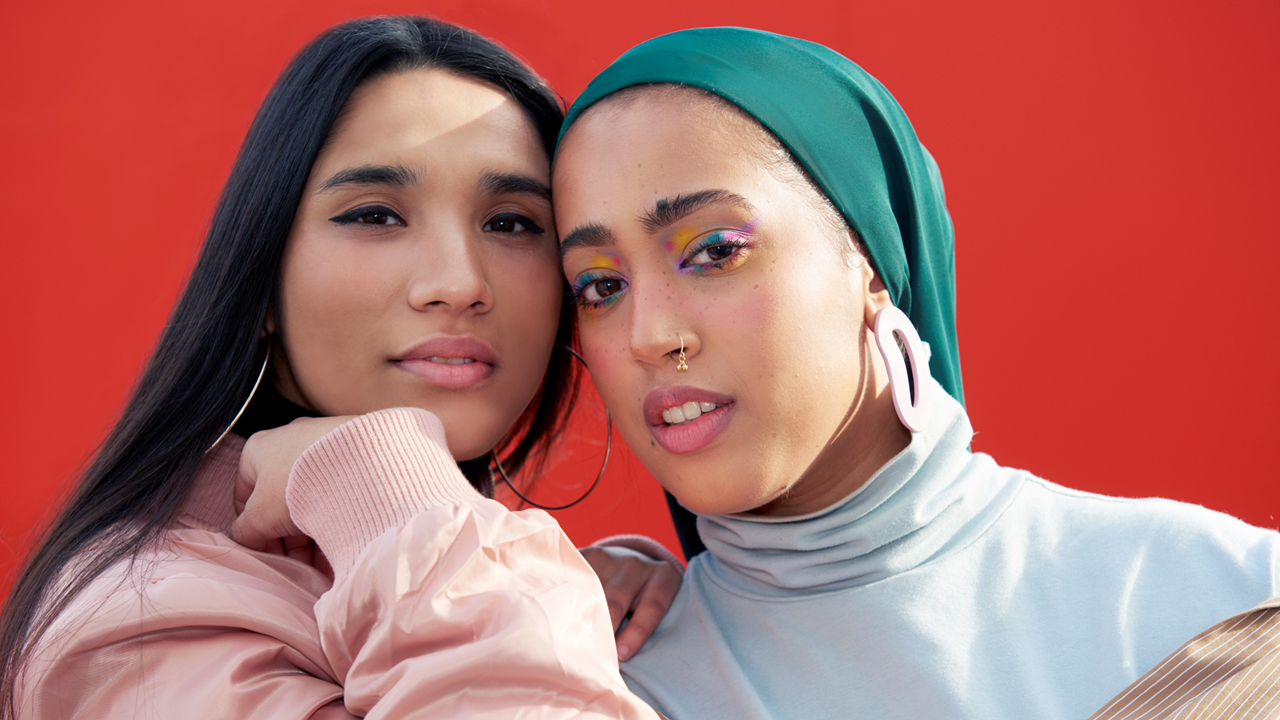 Awareness training also allows people to understand why their own personal experiences (in many cases, very limited life exposure) can indelibly ‘colour their own lens’ for ‘life’. Professional training in this area can therefore make a significant difference to the way people choose to see others.
________________________________________________________________________________
McKenzie Workshops: (Example Content)
We offer half day awareness workshops, for all levels of employees, which typically examine:
-
definitions of prejudice, stereotyping, discrimination and bias
-
the five most common and relevant work place biases to consider
-
initial fun exercises to illustrate how quickly we can make our minds up about people and groups of people
-
how initial decisions made about people (including using ‘gut feel) can prove to be completely incorrect (confirmation bias)
-
exploration of how and why we can naturally prefer people who are ‘like’ ourselves (similarity bias) and the actual irrelevance of this in recruitment, decision making and promoting workplace inclusion
-
skills for developing ‘inclusive habits’. Whilst we can’t necessarily stop our brain’s biases, we can challenge their relevance and also learn how to develop inclusive habits to eliminate their affect on our decision making
-
case studies drawn from a variety of UK organisations providing empirical evidence of unconscious bias in recruitment, selection, advancement and corporate / commercial decision making
-
an introductory video exploring the basics of unconscious bias
-
a virtual toolbox to take away from the event. This contains all the event materials, video links and other resources to help delegates apply the learning from this programme upon their return to the workplace.
-
personal action / development planning
-
post event further reading, resources and signposts
_________________________________________________________________________________
Event Style:
 A half day event which is modern, interactive, fun and practically focused on outcomes. All events are presented by leading industry experts in this area who are employed by us. The events can be delivered in house (on site) or via a half day virtual event.
Delegates receive electronic copies of all event materials, information and exercises as post event reference material.
Please contact us for an informal discussion about how we could work with you to develop bespoke training options for your organisation.
_________________________________________________________________________________
Example Materials:
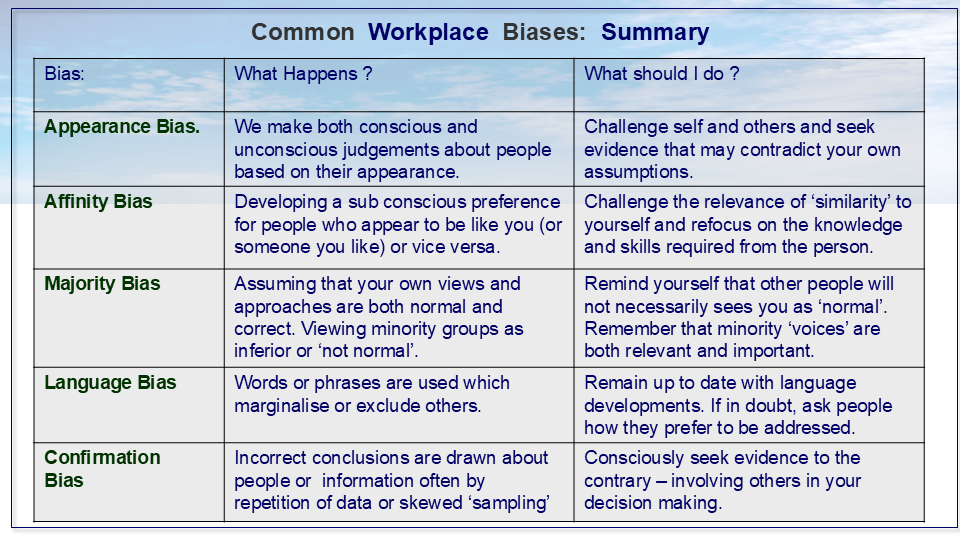
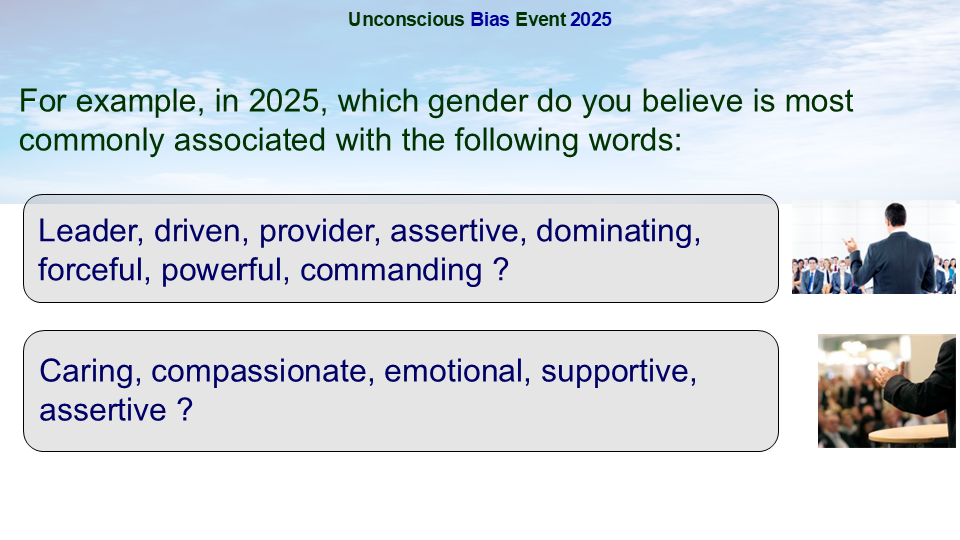
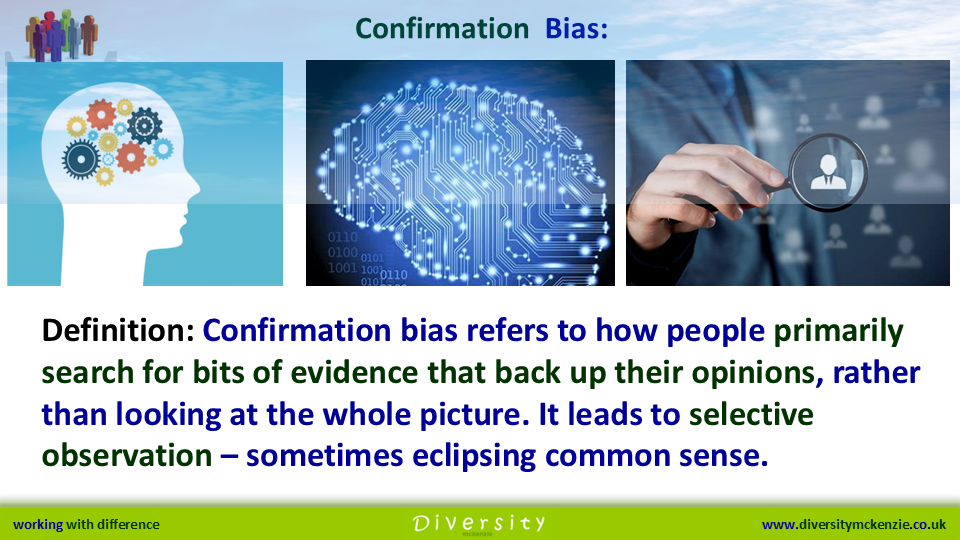

All materials are (c) Mckenzie Human Resources LLP